Source Modern Heated Seat Smart Toilet for Homes, Hotels, and Offices
Compare 30 modern heated seat smart toilet options featuring ceramic construction, siphonic drainage, and induction flushing. Buyers can evaluate one-piece and wall-mounted designs with instant heating and remote control capabilities from suppliers in China.
Key considerations
Products List


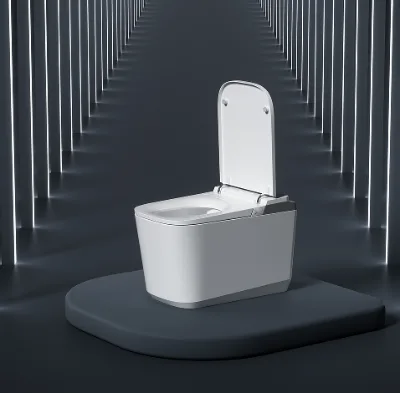
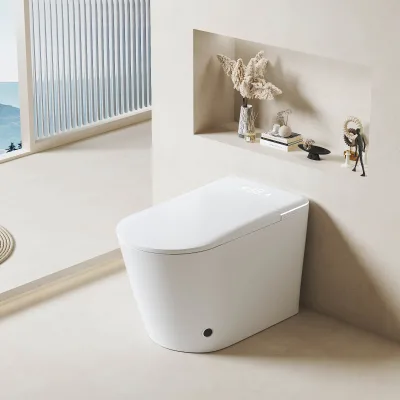


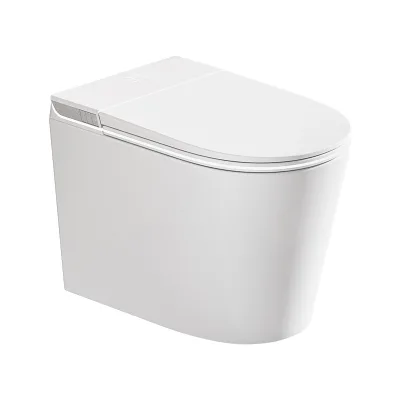
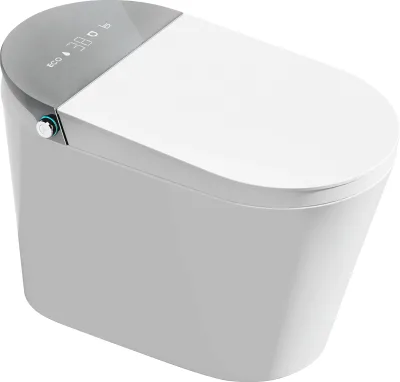


Comprehensive Sourcing Guide
Strategic Sourcing Guide for Modern Heated Seat Smart Toilets
The global demand for modern heated seat smart toilets has surged as residential and commercial buyers seek enhanced hygiene, comfort, and energy efficiency. These fixtures represent a convergence of traditional plumbing infrastructure and advanced electronic systems. For procurement professionals, navigating this market requires a disciplined approach to verifying technical specifications, ensuring regulatory compliance, and evaluating supplier capabilities without relying on unverified marketing claims. This guide provides a structured framework for sourcing these complex sanitary ware products, focusing on the critical attributes observed in the current supply landscape, such as ceramic construction, siphonic drainage, and multifunctional electronic controls.
Technical Architecture and Functional Specifications
Understanding the technical architecture of a smart toilet is the first step in defining procurement requirements. Unlike standard ceramic fixtures, modern smart toilets integrate complex electronic modules that must operate reliably within wet environments. The core observation from current market data indicates that these units are predominantly constructed from high-grade ceramic, a material essential for durability, stain resistance, and structural integrity. The physical form factor varies significantly, with options ranging from one-piece structures to wall-mounted configurations. Buyers must specify the mounting type clearly, as floor-standing units typically require a specific rough-in dimension, while wall-mounted models demand precise in-wall carrier systems.
The drainage mechanism is a critical technical differentiator. The supply data highlights a prevalence of siphonic drainage systems, which utilize a U-shaped trapway to create a vacuum effect for efficient waste removal and noise reduction. Specific configurations observed include S-trap and P-trap variants, with rough-in dimensions commonly cited around 300mm to 400mm. When sourcing, buyers must verify the exact rough-in distance required by the building's plumbing infrastructure before ordering. Additionally, the flushing control method has evolved from manual buttons to induction types, offering a touchless experience that aligns with modern hygiene standards. Some models feature cyclone flushing technology, which is designed to provide a powerful yet water-efficient clean.
Electronic integration is the defining characteristic of the "smart" designation. The observed product attributes include instant heating systems for the seat, ensuring immediate warmth upon use without the energy waste associated with tank-style heaters. Working voltage requirements vary by region, with products supporting 100V-110V, 200V-240V, and 220V inputs. This flexibility is crucial for international procurement but requires careful verification of the specific unit's electrical rating against local grid standards. Furthermore, the inclusion of remote controls and multifunction capabilities, such as bidet washing and air drying, adds layers of complexity to the installation and maintenance process. Buyers should confirm the availability of remote control units and the specific functions included in the model number, such as the G7 Pro-E6 or K1-E13 series, to ensure the feature set matches the project needs.
Compliance, Safety Standards, and Electrical Certification
Procuring electronic sanitary ware introduces significant compliance risks that extend beyond standard plumbing codes. The integration of electrical components necessitates rigorous adherence to safety standards regarding water ingress, electrical isolation, and thermal management. While specific certification marks were not explicitly listed in the provided product data, buyers must insist on verification of recognized international safety certifications, such as CE, UL, or ETL, depending on the target market. These certifications validate that the product has undergone testing for electrical shock hazards and water resistance.
The physical dimensions and structural standards also play a role in compliance. Observed standard dimensions for these units range from approximately 670mm to 700mm in length, with widths around 400mm to 430mm and heights between 460mm and 540mm. These measurements must align with local building codes regarding clearance and accessibility. For instance, wall-mounted units often have specific load-bearing requirements that must be met by the installation wall. Buyers should request test reports that confirm the product's ability to withstand the specified working voltages and temperatures without failure.
Water consumption is another area of regulatory scrutiny. Many modern smart toilets are marketed as "Water Saving Type," utilizing siphonic or cyclone flushing to reduce water usage per flush. Procurement teams should verify the specific water consumption rates against local environmental regulations, which may mandate maximum liters per flush. The material composition, primarily ceramic, must also meet standards for lead-free glazing and structural strength to prevent breakage during shipping and installation.
Cost Drivers and Pricing Dynamics
The pricing of modern heated seat smart toilets is influenced by a complex interplay of factors, including material quality, electronic complexity, and customization options. The observed price range in the current market spans from $87 to $450 USD. This wide variance reflects differences in feature sets, brand positioning, and manufacturing origins. Lower-priced units typically offer basic functions such as heated seats and simple flushing controls, while higher-priced models include advanced features like remote controls, multifunctional washing modes, and premium ceramic finishes.
Customization is a significant cost driver. The supply data confirms that customization is available for these products, allowing buyers to tailor features to specific project requirements. However, custom orders often incur higher unit costs and may affect lead times. The packaging method also influences the final landed cost. Products are observed to use either 7-layer carton packing or standard carton boxes, with the former offering superior protection during transit but potentially adding to the shipping weight and volume.
Minimum Order Quantity (MOQ) is another critical financial consideration. The observed MOQ range is broad, spanning from 1 piece to 100 pieces. This flexibility allows small-scale buyers to test the market with minimal investment, while bulk purchasers can negotiate better unit economics. Buyers should be aware that ordering at the lower end of the MOQ spectrum may result in higher per-unit costs compared to bulk orders. Additionally, the weight of the units, observed at approximately 46.5kg for certain models, impacts shipping logistics and freight costs, which must be factored into the total cost of ownership.
Typical Applications and Installation Scenarios
Modern heated seat smart toilets are versatile fixtures suitable for a wide range of applications, from high-end residential bathrooms to commercial hospitality and healthcare facilities. The observed attributes indicate that these products are designed for adult use, with mounting types available for both floor-standing and wall-mounted installations. The choice of mounting type often depends on the architectural design and space constraints of the application.
In residential settings, the European and American styles observed in the product data cater to diverse aesthetic preferences. European styles often feature sleek, minimalist designs that integrate seamlessly with modern interiors, while American styles may offer more traditional forms with robust functionality. The color options, primarily white but also available in multi-color variants, allow for customization to match existing bathroom decor.
Commercial applications, such as hotels and office buildings, benefit from the hygiene advantages of touchless induction flushing and heated seats. The multifunction capabilities of these units enhance user comfort, which is a key differentiator in the hospitality sector. However, the installation complexity of wall-mounted units requires careful planning, as they necessitate in-wall carriers and specific rough-in dimensions. Buyers must ensure that the installation team is experienced with the specific mounting type and electrical requirements of the selected model.
Supplier Evaluation and Quality Assurance
Evaluating suppliers for smart toilets requires a rigorous due diligence process that goes beyond basic product listings. The supply data indicates that many products originate from Chaozhou, Guangdong, China, a region known for its ceramic manufacturing capabilities. While this provides a strong foundation for material quality, buyers must verify the supplier's ability to manage the electronic components that define the smart features.
Key evaluation criteria include the supplier's track record in producing units with specific models like the H877F or K1-E13. Buyers should request detailed product specifications, including working voltage ranges, flushing methods, and material certifications. The presence of a remote control and the specific type of flushing button, such as the side-pressing one-part form, are indicators of the product's maturity and user-friendliness.
Quality control is paramount, especially given the integration of electrical and mechanical systems. Buyers should inquire about the supplier's quality assurance protocols, including pre-shipment testing for electrical safety, water resistance, and flushing performance. The use of 7-layer carton packing for certain models suggests a commitment to protecting the product during transit, but buyers should also verify the supplier's packaging standards for all units to prevent damage. Additionally, the availability of logo or graphic design services, such as laser printing, indicates the supplier's flexibility in meeting branding requirements for commercial projects.
Long-Term Procurement and Maintenance Considerations
Sourcing smart toilets involves long-term considerations regarding maintenance, spare parts availability, and warranty support. The complexity of these units means that failures in electronic components can render the fixture unusable, making the availability of technical support and replacement parts critical. Buyers should negotiate clear warranty terms that cover both the ceramic body and the electronic modules.
The working voltage flexibility observed in the product data, ranging from 100V to 240V, is a significant advantage for international projects, but it also requires careful verification to ensure compatibility with local power grids. Buyers should confirm that the supplier provides clear instructions for voltage adjustment or selection to prevent electrical damage.
Furthermore, the customization options available, such as specific model numbers and color variations, should be balanced against the potential for supply chain disruptions. Custom orders may have longer lead times and higher MOQs, which can impact project schedules. Buyers should establish a robust supply chain strategy that includes buffer stock for critical components and clear communication channels with the supplier for rapid issue resolution.
Conclusion
The procurement of modern heated seat smart toilets requires a strategic approach that balances technical specifications, compliance requirements, and cost considerations. By focusing on verified attributes such as ceramic construction, siphonic drainage, and multifunctional electronic controls, buyers can make informed decisions that align with their project needs. The wide range of available models, from the G7 Pro-E6 to the K1 series, offers flexibility for diverse applications, but careful supplier evaluation and quality control are essential to ensure long-term reliability. As the market continues to evolve, staying informed about technical standards and supplier capabilities will be key to successful procurement outcomes.
FAQs
What materials are used for modern heated seat smart toilets?
These units are predominantly constructed from high-grade ceramic to ensure durability and stain resistance. The material provides structural integrity and is essential for maintaining hygiene standards in both residential and commercial applications.
Which mounting types are available for these smart toilets?
Buyers can choose between standing floor and wall-mounted configurations depending on their space constraints. Floor-standing units typically require specific rough-in dimensions, while wall-mounted models demand precise in-wall carrier systems for installation.
How does the flushing system work in these fixtures?
The drainage mechanism often utilizes siphonic systems to create a vacuum effect for efficient waste removal. Some models feature cyclone flushing technology, which provides a powerful yet water-efficient clean while reducing noise levels during operation.
Can these toilets operate on different electrical voltages?
Yes, working voltage requirements vary by region with products supporting 100V to 110V and 200V to 240V inputs. This flexibility is crucial for international procurement but requires careful verification of the specific unit's electrical rating against local grid standards.
What is the typical price range for these units?
The observed price range in the current market spans from 87 to 450 USD depending on the feature set. Lower-priced units typically offer basic functions, while higher-priced models include advanced features like remote controls and multifunctional washing modes.
Is customization available for these smart toilet models?
Customization is available for these products, allowing buyers to tailor features to specific project requirements. However, custom orders often incur higher unit costs and may affect lead times compared to standard inventory items.
What is the minimum order quantity for purchasing these toilets?
The observed MOQ range is broad, spanning from 1 piece to 100 pieces to accommodate different buyer needs. This flexibility allows small-scale buyers to test the market with minimal investment while bulk purchasers can negotiate better unit economics.